Mixed Dementia: What to Know and How to Help
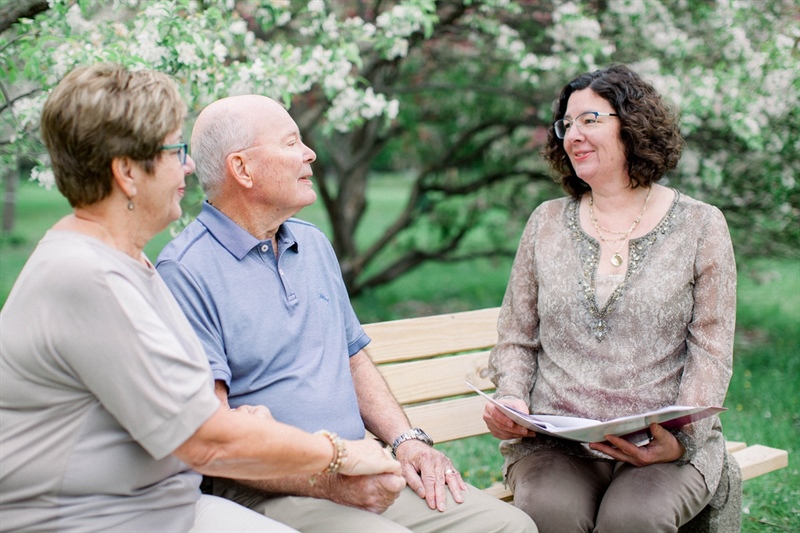
Navigating a dementia diagnosis is never easy, but discovering a loved one is living with mixed dementia can feel overwhelming and confusing. Because of many overlapping symptoms between different forms of dementia, there are unique challenges ahead for your loved one and family. Understanding how these conditions interact is a critical first step in providing the safety, comfort, and care your loved one needs.
At Joyful Companions, we support Twin Cities families who need additional support for their loved one living with mixed dementia. Our compassionate, non-medical companions provide tailored daily assistance, structured routines, and engagement to help keep your loved one safe and independent at home for as long as possible. Let’s take a look at what mixed dementia is and how you can help.
What is Mixed Dementia?
Mixed dementia is a condition where an individual experiences brain changes and symptoms from more than one type of dementia simultaneously. The most common combination is Alzheimer’s disease occurring together with vascular dementia. Because the signs of different diseases overlap, it can be complex to diagnose mixed dementia and may sometimes lead to a person initially being misdiagnosed with a single type of dementia.
What are the Main Symptoms of Mixed Dementia?
With mixed dementia, symptoms can vary and often include a blend of:
Key Combinations of Mixed Dementia
The two main combinations of mixed dementia include:
-
Alzheimer’s and Vascular Dementia: This is the most prevalent form and involves classic abnormal protein build-ups of Alzheimer’s combined with blood vessel damage or restricted blood flow to the brain.
-
Alzheimer’s, Vascular, and Lewy Body Dementia: Less common, but abnormal protein deposits known as Lewy bodies may develop alongside the other two conditions.
What are the Causes and Risk Factors for Mixed Dementia?
Because mixed dementia involves multiple diseases, the causes reflect the risk factors for each type:
-
Age: The risk of both Alzheimer’s and vascular issues increases significantly in older adults.
-
Cardiovascular Health: High blood pressure, high cholesterol, diabetes, and a history of strokes are primary drivers for vascular dementia.
-
Genetics: Family history and certain gene variations can predispose individuals to neurodegenerative changes.
How Can I Support Someone with Mixed Dementia?
Mixed dementia support often requires stage-specific care that addresses the overlapping cognitive and physical symptoms. The individual will need daily personal care, medication management, and fall prevention, along with environmental modifications to reduce anxiety. Emotional support, cognitive stimulation, and caregiver respite are also essential.
Some ways to help support a loved one with mixed dementia include:
-
Help with hygiene and dressing
-
Regular monitoring of food and water intake
-
Maintain strict medication schedules
-
Provide a safe environment
-
Apply clear labels to drawers and rooms
-
Provide a predictable routine
Home Companion Care for Mixed Dementia in the Twin Cities
If you’re looking for home companion care in the Twin Cities, Joyful Companions is here to help. Our non-medical companions provide compassionate support for those living with mixed dementia. From helping with meal prep, medication reminders, transportation, and enriching activities, our companions provide the safety, security, and support that your family member needs.
5 Needs for a Healthy Mind
Our team also focuses on the 5 Needs for a Healthy Mind for mixed dementia patients, which suggests the following activities:
-
Nature - spend time outside
-
Eat - encourage proper nutrition
-
Exercise - support physical activity
-
Drink - stay hydrated
-
Social - spend time with friends and family
Communicating Effectively with Mixed Dementia Patients
Joyful Companions also supports our team by helping them learn to communication with someone who has Alzheimer’s or dementia. By fostering a close relationship with the patient, our companions can ensure the patient is understood. There are many techniques for improving communication with Alzheimer’s patients, including:
-
Focusing on being calm and supportive
-
Sticking to clear and simple language
-
Practicing empathy and patience
-
Using visual aids and gestures
-
Adapting communication styles as needed
Schedule a Consultation with Joyful Companions
Ready to take the next step to help your loved one with mixed dementia? Whether you need overnight care, respite care, or hourly care, our companions are up to the task. Contact us today for more information about memory care in the Twin Cities.