What Is Normal Pressure Hydrocephalus? The “Reversible” Form of Dementia
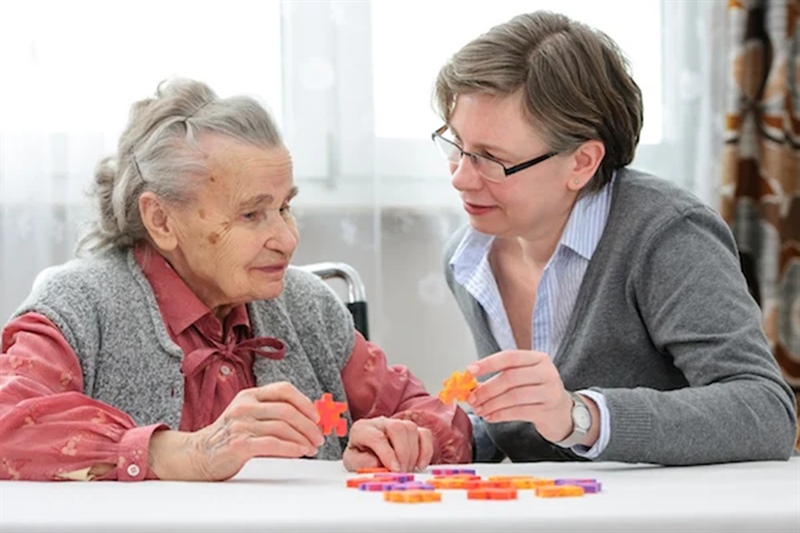
When a loved one begins struggling with their balance, experiencing unexpected memory lapses, or facing sudden changes in bladder control, it is natural to feel worry. You may start to think they’re facing an irreversible journal with Alzheimer’s or Parkinson’s disease. However, there is a lesser-known condition whose symptoms closely mimic these conditions, yet offers a genuine ray of hope: Normal Pressure Hydrocephalus.
At Joyful Companions, we understand how overwhelming a diagnosis like NPH can be. That’s why we offer compassionate, non-medical In-Home companion care to help your family. We provide patient assistance, daily mobility support, and a loving presence your family member needs to feel safe, dignified, and well-cared for at home.
Let’s dive into NPH, its symptoms, and how treatment works for this “reversible” form of dementia.
What is Normal Pressure Hydrocephalus (NPH)?
Normal pressure hydrocephalus (NPH) is a brain disorder where extra cerebrospinal fluid builds up in the brain’s cavities, called ventricles. The ventricles grow large and press on nearby tissue. Pressure inside the head stays normal or near normal, but the extra fluid still harms brain function.
NPH typically affects older adults, and many of the signs look like Alzheimer’s disease or Parkinson’s disease. However, unlike many other brain disorders, NPH can often be treated or reversed with a surgical stint that drains the extra fluid.
What are the Symptoms of NPH?
The signs of NPH usually start slowly and get worse over time. Doctors look for three main groups of signs, often called Hakim’s triad:
-
Walking (Gait) Problems: Trouble walking is usually the first sign. Steps look short and shuffling. Feet may seem stuck to the floor. Balance is poor, and falls are common.
-
Thinking and Memory Issues: Mild dementia develops. This causes trouble with memory, focus, and planning. People may act apathetic, lose interest in daily life, or slow down when thinking.
-
Bladder Control Issues: Urinary urgency or leaking happens. This often starts as a strong need to rush to the bathroom and can lead to a total loss of bladder control later on.
Why is NPH Often Misdiagnosed?
NPH is often misdiagnosed because its core symptoms closely mimic common aging signs and other brain diseases like Alzheimer’s and Parkinson’s disease. In addition, fluid pressure inside the skull often remains in the normal range, which hides the classic warning signs of brain swelling.
There is no simple test that can check for NPH, which makes it more difficult to diagnose. Doctors must rule out many other aging-related conditions before finding NPH.
How Does Treatment for NPH Work?
Treatment for NPH works by removing extra cerebrospinal fluid from the brain using a surgically placed drainage system called a shunt. This relieves pressure on the brain tissue and helps improve balance, thinking, and bladder control.
The procedure involves placing a thin, flexible tube into a fluid chamber inside the brain. The tube then connects to a one-way valve that regulates how much fluid drains. The tube runs under the skin down the neck and chest and into the belly. The extra fluid safely drains into the abdomen, where the body absorbs it naturally.
During recovery, walking and balance problems usually return the fastest, while memory and bladder control can get better, but take longer. Full recovery after surgery often takes several months as the brain adapts to the normal fluid levels.
How Can I Support a Loved One Diagnosed with NPH?
To help support a loved one with NPH, it’s important to help manage mobility, memory changes, and daily tasks while navigating medical treatments like shunt surgery. Practical and patient support can greatly improve their daily safety and comfort.
You can help by:
-
Managing mobility and safety with clear pathways and removing loose rugs
-
Assisting with cognitive and daily care to help remind them of medications, etc
-
Helping navigate medical support and take notes during doctors appointments
How can Joyful Companions Help My Loved One?
Joyful Companions helps families in the Twin Cities by offering non-medical companion support for their loved ones with NPH and other memory diagnoses. Our compassionate companions can help with daily life tasks, transportation, social activities, and more.
If you or your loved one diagnosed with NPH needs additional support, reach out to us today. Our expertly matched companion will fill the gaps between family caregivers, providing round-the-clock care as needed.
Request a free consultation online or give us a call at 763-544-0401 for more information.